Ontario’s Gambling Market and Laws
While generally, Canada’s gambling scene has been fairly closed off, it started to change in 2022, when Ontario’s market became regulated. The market grew quickly, with a constant infusion of online casinos and sportsbooks that target its players. This means that they get better services and promotions, and that the province makes more money from taxes and fees.
Those interested in new casino sites for 2025 will find that Ontario’s list always has fresh names on it. Some of these are among the world’s biggest operators, which choose to register locally in order to get access to one of the best gambling markets in Canada.
There are two different organizations that are tasked with the management of this market. There is iGaming Ontario for one, to offer online licenses. The other is AGCO (Alcohol and Gaming Commission of Ontario), which will make sure that the province’s gambling rules and regulations are respected.
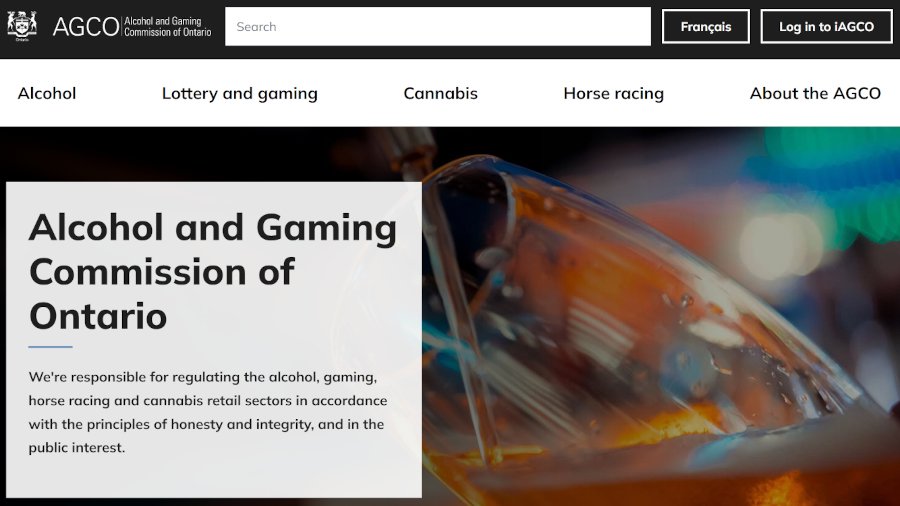
To be allowed to offer gambling services to locals, casinos have to pay fees and respect the rules of the province, but only after they receive permission.
Since it’s a competitive market, casinos are forced to have better offers in order to get the attention of players. The local rules ensure that advertisements don’t target minors, and that there are plenty of ways for players in trouble to get protection (self-exclusion, limits on deposits, support groups, etc).
Other Provinces and Territories, and Their Approach to Gambling
While Ontario has opened up and now benefits from the advantages of having a competitive market, where casinos are forced to evolve and improve offers in order to grow, other provinces and territories remain fairly closed off.
Alberta is one example, as a market where the government has a monopoly, and it offers only one online casino that it runs directly. It’s called PlayAlberta, and it’s the only legal way to play in that province.
Quebec is similar, as it has its own gambling site for players to access. This government-run site is called Espacejeux, and it’s run by Loto-Quebec.
British Columbia uses the services of a single casino as well, called PlayNow, which is also available in Manitoba and Saskatchewan (but it’s still the only online casino you can access that’s regulated).
Manitoba uses PlayNow’s services as well, the same as British Columbia. Its gaming operator is partnered with BCLC through Manitoba Liquor & Lotteries.
Saskatchewan also uses PlayNow, so once again, there is only one casino for local players.
As for the Atlantic provinces, they’re all covered by the Atlantic Lottery Corporation, and once again, there is a monopoly on gambling by the government. Their local site is ALC.ca.
There are other differences as well, besides the way players can access online gambling and who offers it. For one, I’d mention the minimum age, which is decided by each province, and can be different, depending on where players live. In some provinces, you have to be 18 to be allowed to gamble. Other markets require players to be 19 years or older.
It’s important to note that, regardless of where you live, you are not taxed on your gambling winnings, as long as you’re not a professional gambler (you don’t live based on this income).
Which Approach Is Better?
Generally, I would say that Ontario’s approach is much better. A properly regulated market will bring competition, and this results in better services, offers, and protection for players. There are dozens of online casinos that Ontario’s players can choose from, while the other provinces have only one casino, and it’s run by the local government in most cases.
As a result, many players in those provinces prefer accessing unregulated casinos that target them from other jurisdictions. They get a lot less protection when they have problems, and as they access unregulated casinos, there is no guarantee they will get their money when they try to cash out.
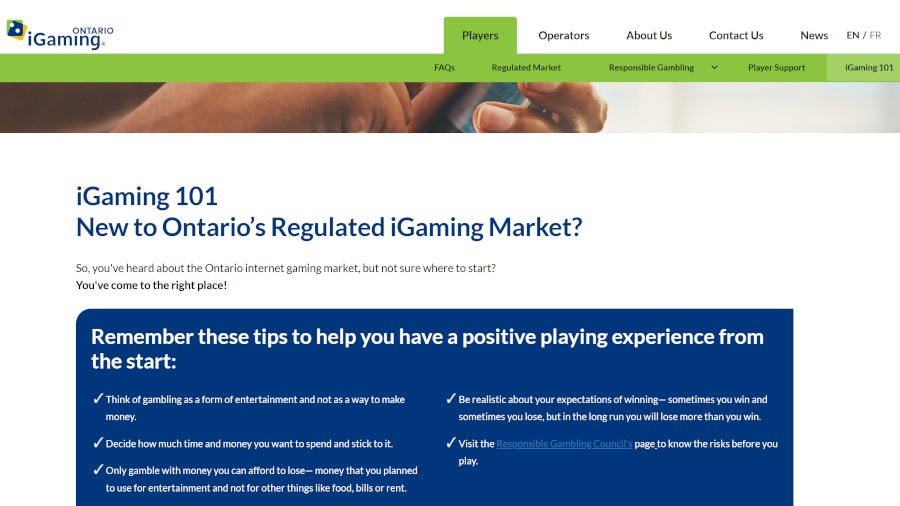
As long as gambling is legal, the better option is to have a regulated market, which is controlled by the state, but which allows for competition as well.
Ontario’s regulations ask for powerful protections for its players; it regulates even the way gambling can be advertised or endorsed.
Compare this with the lack of protection and regulation that’s found in casinos operating from outside Canada, and I believe the answer is obvious. Ontario’s approach is the better one.